Trump Offers New U.S. Mediation in High-Stakes Nile Dam Dispute
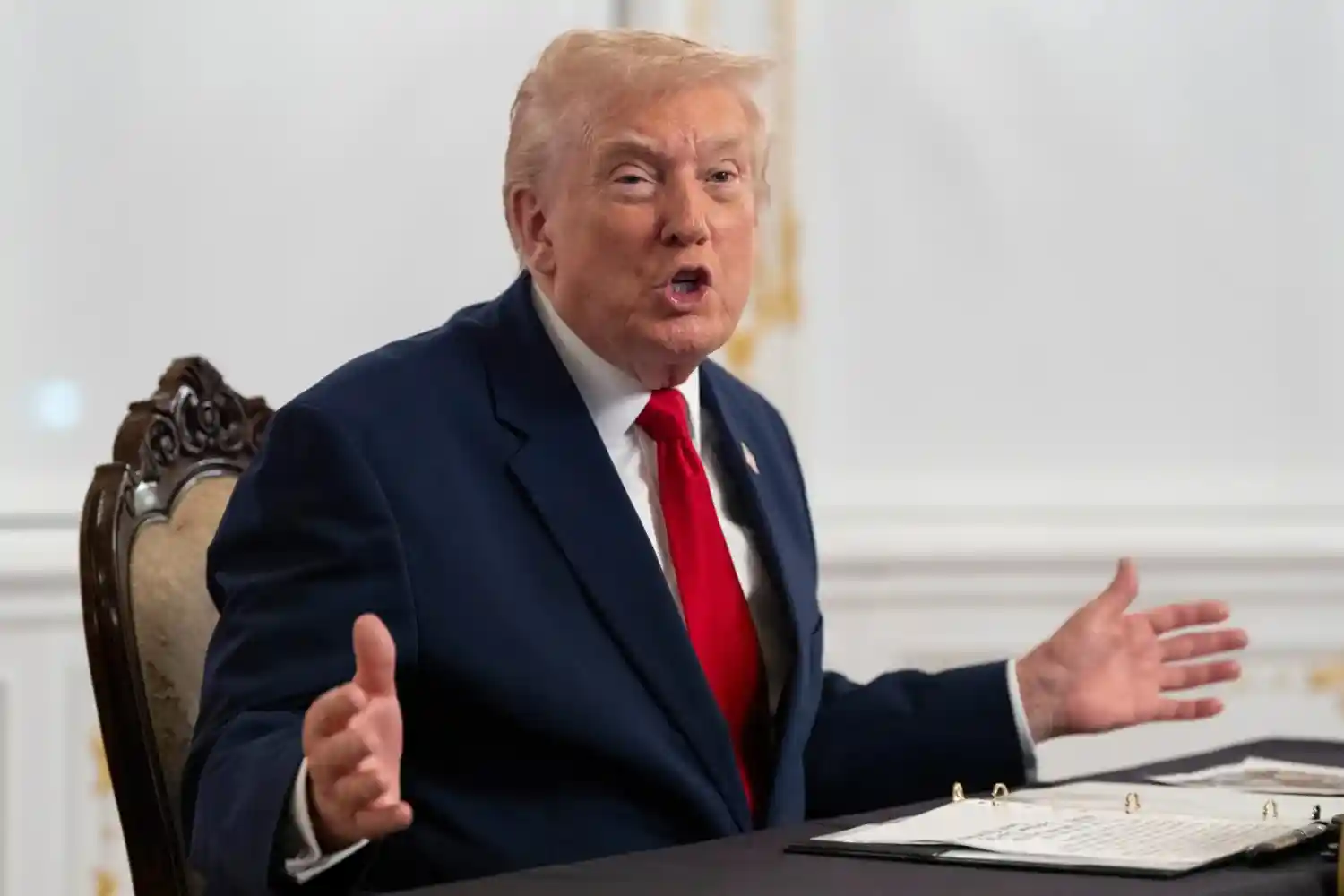
Donald Trump has offered renewed U.S. mediation over Ethiopia’s GERD dispute with Egypt and Sudan, proposing drought safeguards and energy cooperation as tensions rise over Nile water security.
In a bid to defuse one of Africa’s most volatile geopolitical conflicts, former U.S. President Donald Trump has offered to broker a high-stakes resolution to the long-running dispute over Ethiopia’s Grand Ethiopian Renaissance Dam (GERD). The move comes as tensions between Egypt, Ethiopia, and Sudan resurface following the dam’s formal inauguration last year.
In a January 16, 2026, letter addressed to Egyptian President Abdel Fattah al-Sisi, Trump outlined his commitment to pursuing what he termed a “once-and-for-all solution” to the Nile water-sharing crisis. The initiative, launched from Washington, seeks to revive U.S. diplomatic engagement after previous mediation efforts stalled in 2020.
The proposed framework would leverage technical experts, structured dialogue, and active U.S. oversight to bridge the core divide: balancing Ethiopia’s right to development through the GERD—Africa’s largest hydroelectric project—against the existential water-security concerns of downstream Egypt and Sudan.
The dispute centers on the Blue Nile, where the GERD is situated. Egypt, which relies on the Nile for over 90% of its freshwater, views any unregulated control of the river’s flow as a threat to its national survival. Ethiopia, meanwhile, sees the dam’s 5,150-megawatt capacity as a cornerstone of its economic future and energy independence.
With no binding agreement in place after more than a decade of intermittent negotiations, the GERD has become a dangerous flashpoint. Trump warned that unresolved competition over the Nile could escalate into military confrontation, destabilizing the broader Horn of Africa and critical Red Sea trade routes.
Trump’s proposal includes specific confidence-building measures:
- Guaranteed water releases during drought periods to safeguard Egyptian and Sudanese needs.
- Mechanisms to allow Ethiopia to maximize hydropower generation.
- A potential regional energy partnership, where Ethiopia could export surplus electricity from the GERD to both Egypt and Sudan—transforming the dam from a source of tension into an engine for regional integration.
The offer underscores the dispute’s expanding strategic dimensions. It now intersects with wider regional competition involving Gulf powers, Western nations, and African blocs. Stability among Egypt, Ethiopia, and Sudan is increasingly viewed as vital for regional security, trade, migration management, and counterterrorism.
Trump’s letter also acknowledged Egypt’s recent diplomatic burdens, praising Cairo’s role in mediating between Israel and Hamas, before emphasizing the Nile dispute as an urgent priority.
This diplomatic outreach signals Washington’s renewed focus on preventing a water conflict with global implications. While the African Union and UN Security Council have previously attempted mediation, the reintroduction of high-level U.S. involvement marks a significant shift.
The GERD standoff is no longer merely a technical or developmental issue—it has evolved into a critical test of diplomacy and cooperative governance for the entire Nile Basin. Whether the involved nations will commit to a binding compromise under external mediation remains uncertain, but the risks of inaction are higher than ever.